UX Case Study
Lucky Pick
As the design lead for this feature, my primary challenge was to introduce a new monetisation lever that felt rewarding rather than predatory. We needed to boost our User pay ARPDAU by 8% without alienating our player base.
The Problem
The Gatcha Fatigue
The core problem I identified was "Gacha Fatigue." Players often feel burned by infinite probability pools where they spend endlessly without a guarantee. My solution was to adapt the proven "Box Gacha" model used effectively in titles like Top Troops and Call of Duty and give it a highly visual, transparent UX makeover.
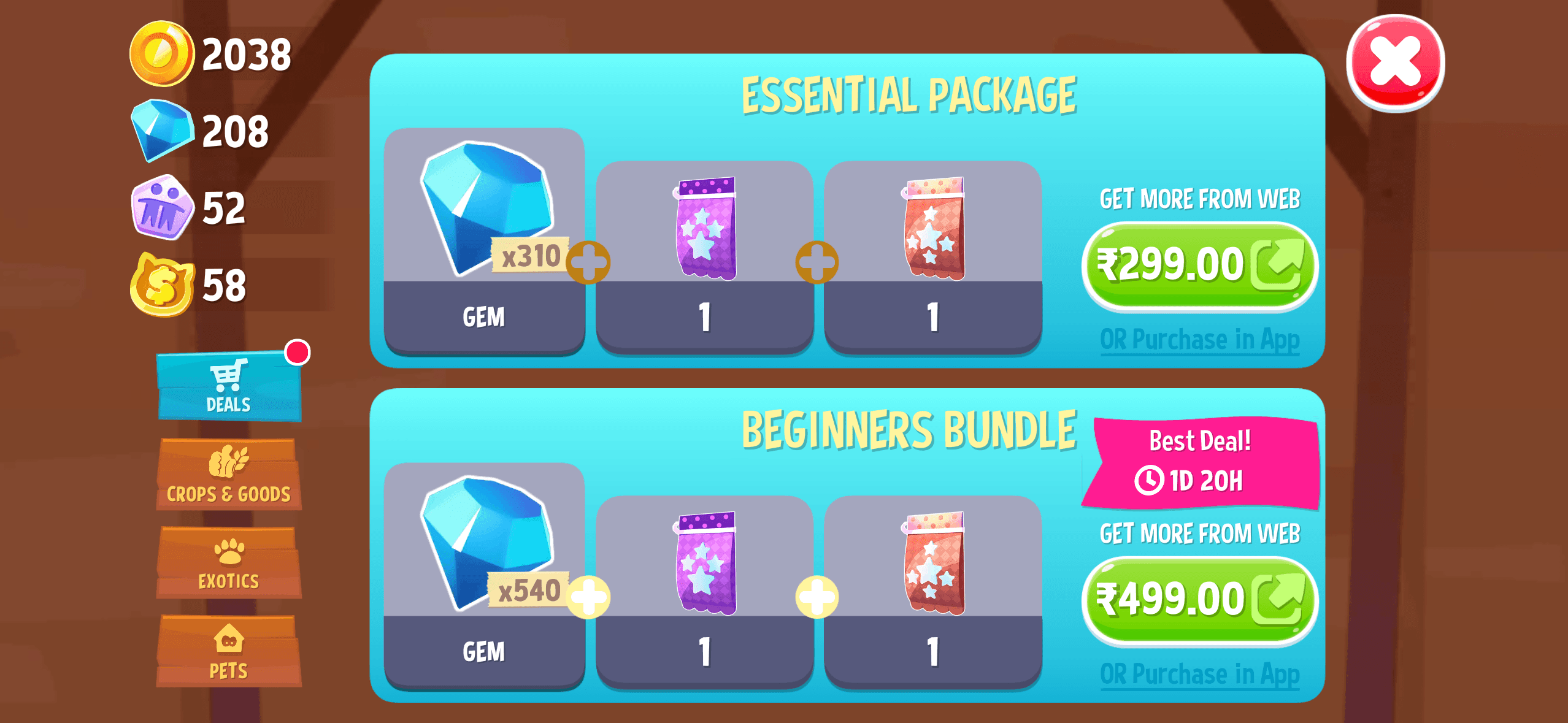
Current merchant shop with fixed reward pool
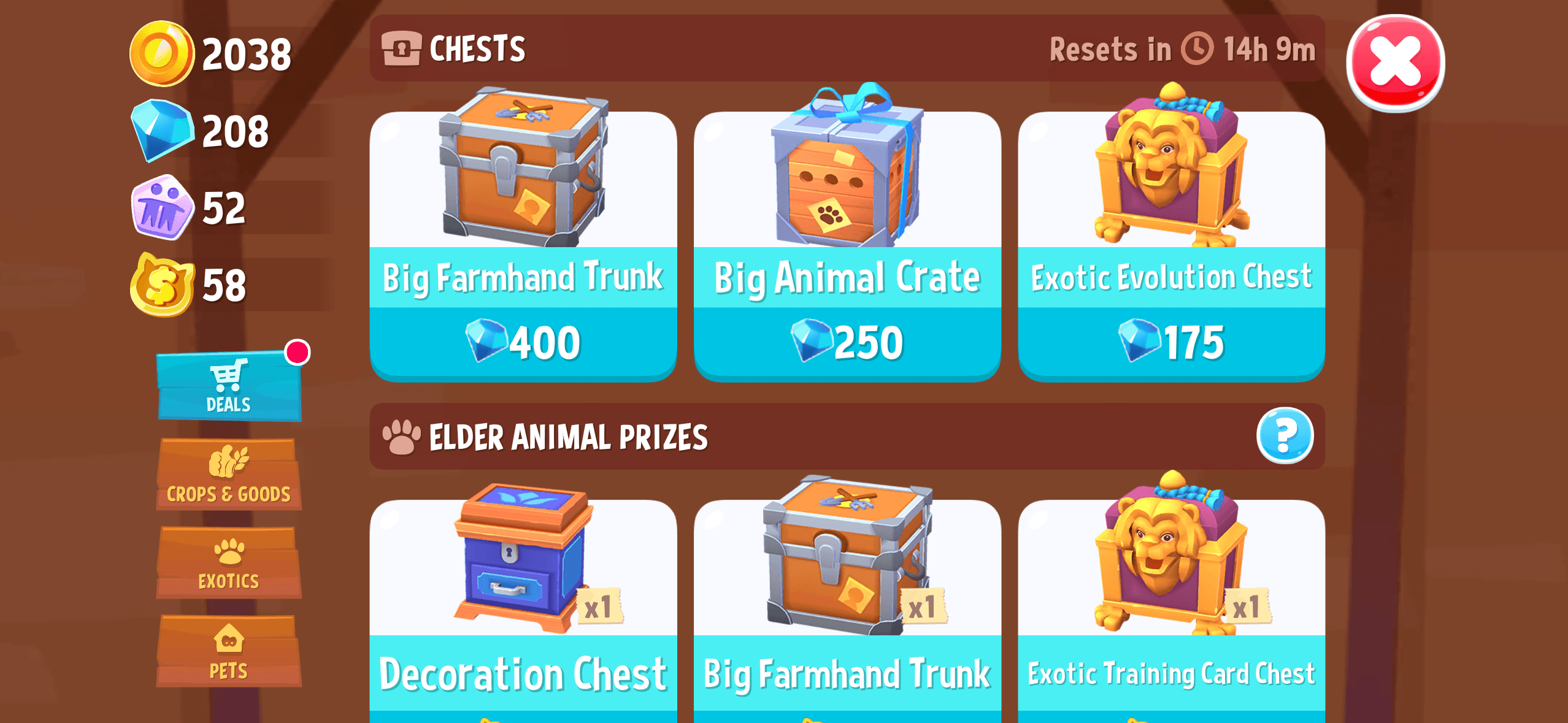
Current merchant shop with Gatcha based chests
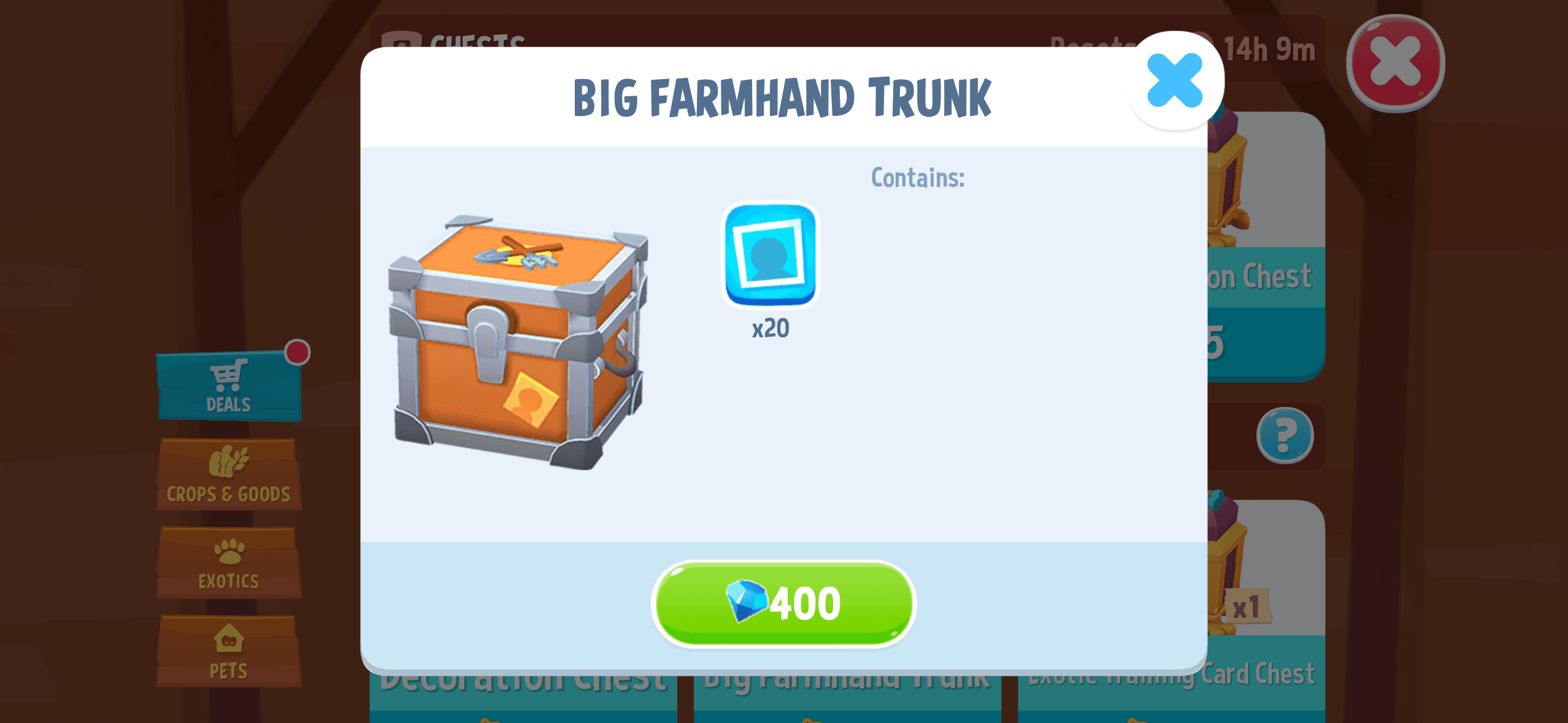
Current Popup for chest - No info on what cards players will recieve
The "Black Box" Problem
Our existing box-based reward system (standard loot boxes) was a pure "Black Box." Players purchased a generic items chest or a crate but had no visibility into what the contents were or, crucially, how many purchases it would take to get the rare item.
The Engagement Gap
The second major complaint about the old box system was its lack of "Game Feel." It was a simple transactional flow: "Click > Pay > Get Reward." The process was not interactive, and there was no sense of fun, anticipation, or "juice."
The Monetization Ceiling
We had two systems: the unpredictable, frustrating box and the safe, fixed-price offer (Example: “1000 Gems for $9.99”). The fixed-price model creates a rigid monetization ceiling.
Player Trust and Negative Sentiment
Without a guaranteed path or a visible probability change, players often assume the odds are stacked against them, leading to social media complaints and poor reviews.
Many players, especially mid-spenders, avoid high-variance gambling mechanics entirely, preferring the guaranteed value of a direct purchase. We were missing out on a huge segment of spenders due to this uncertainty.
The Goal
The old system created high-stress, low-satisfaction spending moments. My goal was to design a feature that converted high-stress uncertainty into high-excitement anticipation, securing both immediate spend and long-term player loyalty
The Core Concept - See it, Win It
The Mechanic
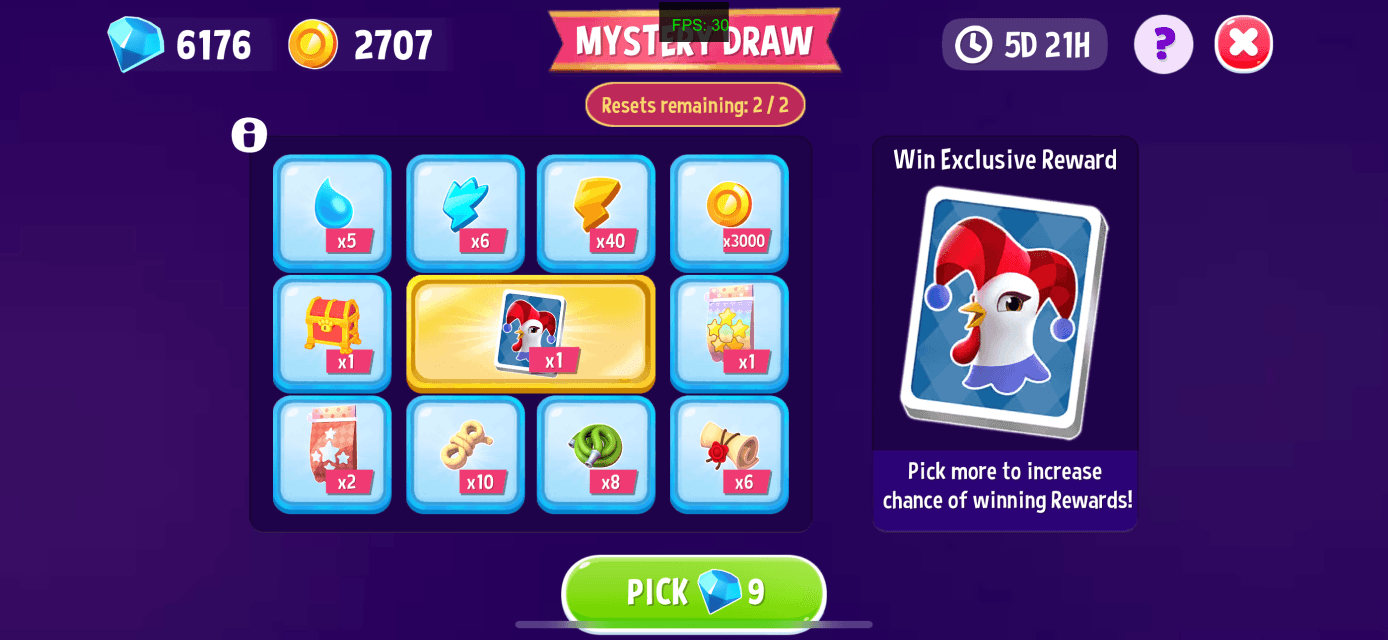
A finite pool of items where every reward won is removed from the board.
The Promise
If a player buys enough rolls, they guarantee the win.
The Catch
The price of rolling increases progressively as items are removed.
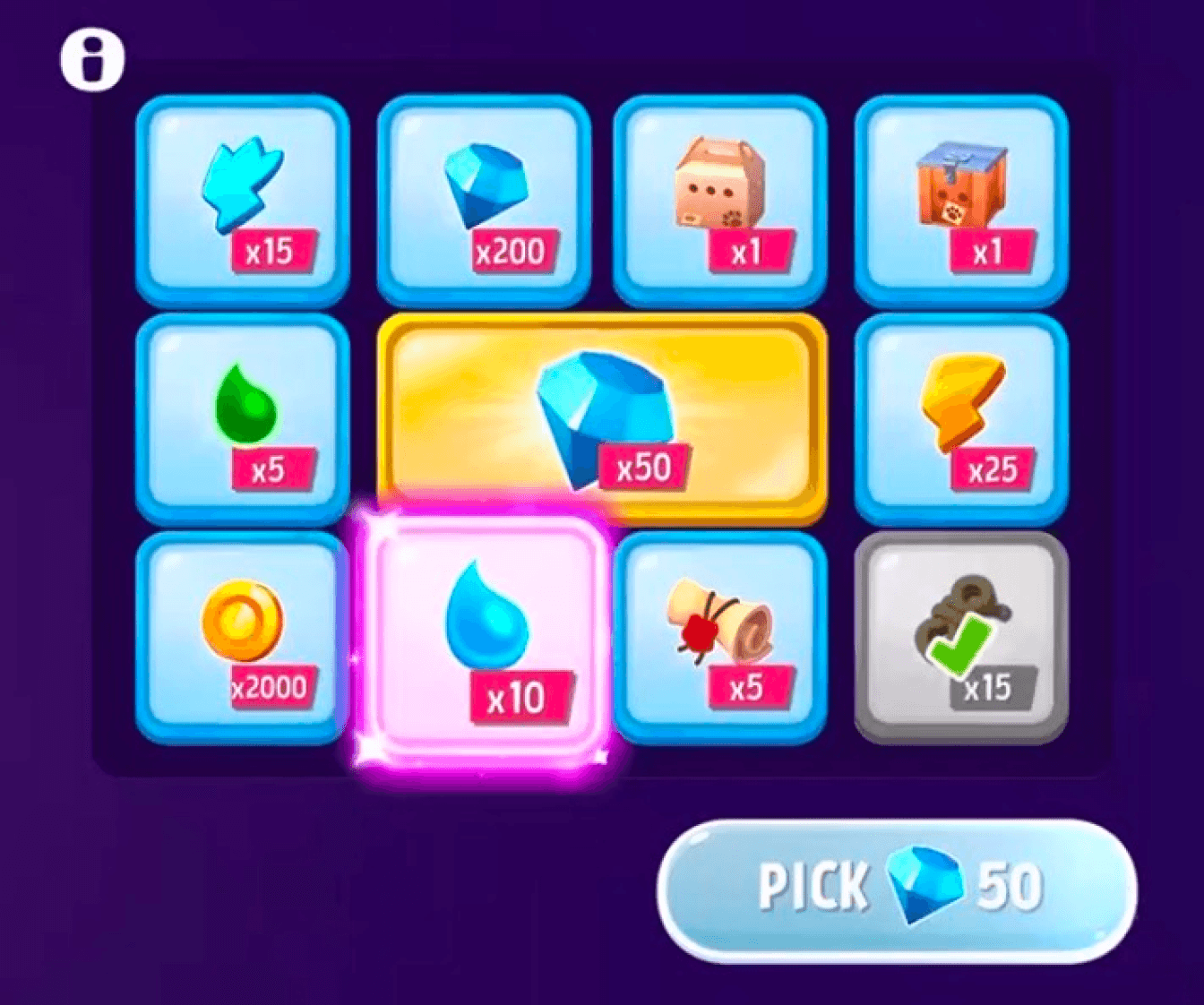
This setup fundamentally changes the user's psychological state from "gambling against the house" to "investing in a guarantee."
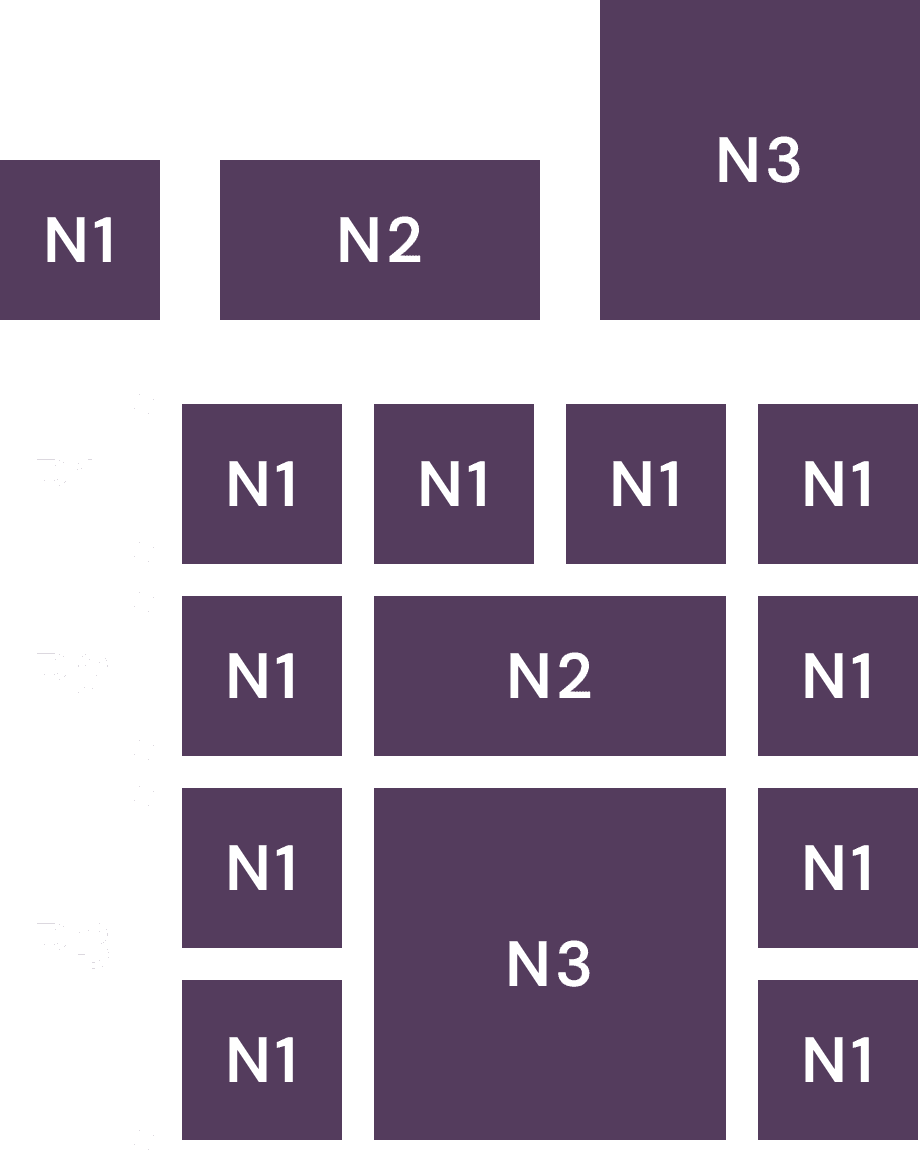
The Grid had to be dynamic because I wanted us to be able to control how many rewards we show based on the level of the players, this gave the game designers and PMs the ability to tweak the rewards numbers as per their wish
The nodes on the lucky pick grid can be of 3 types
1x1
1x2
1x3
These nodes are then arranged together to create preset grouping, like seen above
The max size of the grid being 4x5 is pre decided, but node mix matching can be changed
There will be 2 CSV tables that crontrol the set up
This also help tech establish a system and predefined rule to form a grid so they dont have to work extra each time we needed a new grid.
The Design
Drafts
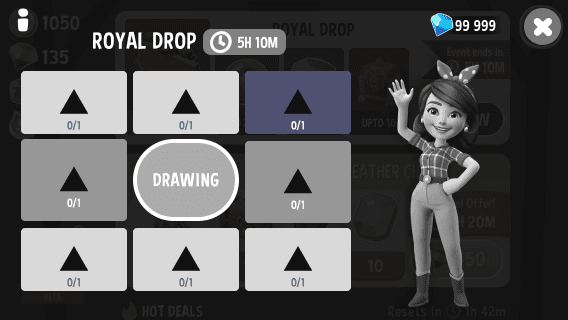
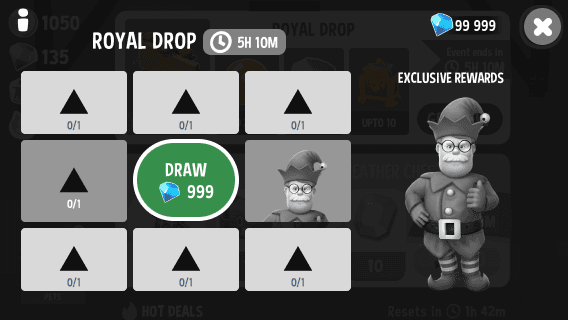
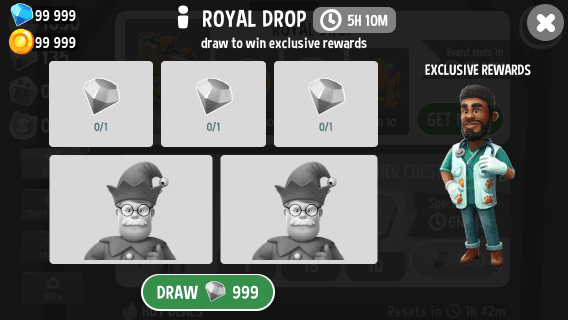
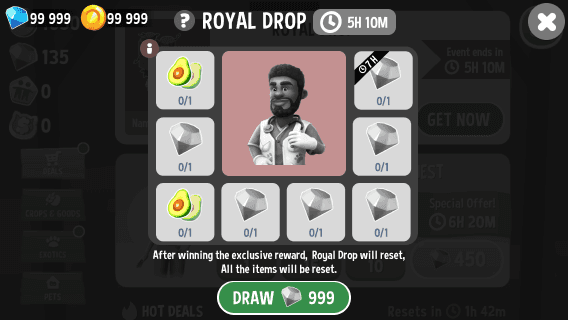
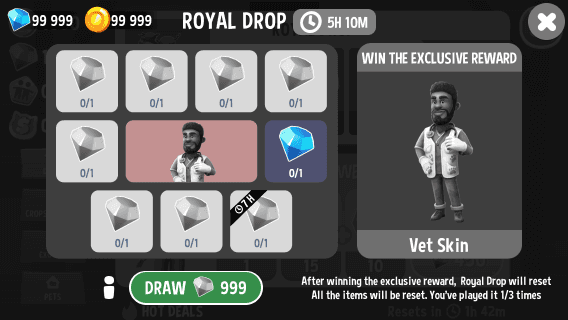
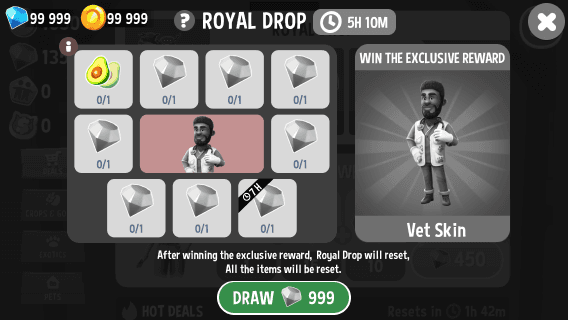
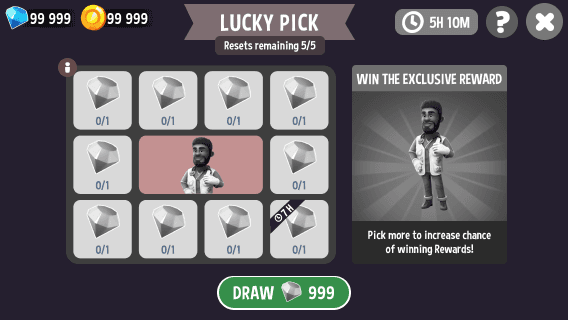
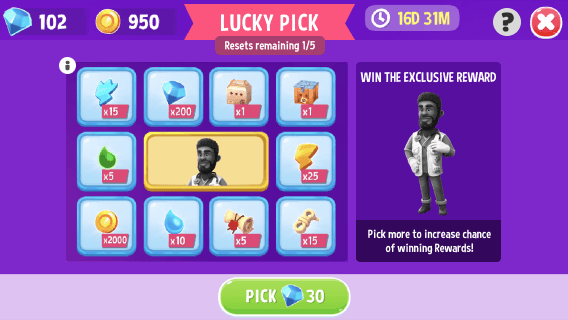
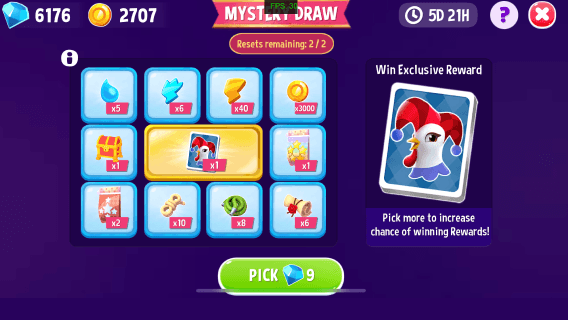
Even though the overall layout looks easy at the first glance, a lot of iterations were made to make sure the information is presented in the right way.
Screens
Discovery
I knew that for this feature to succeed, it couldn't just be buried in a menu. I placed the entry point directly in the Merchant Shop and prioritized it over other sale packs.
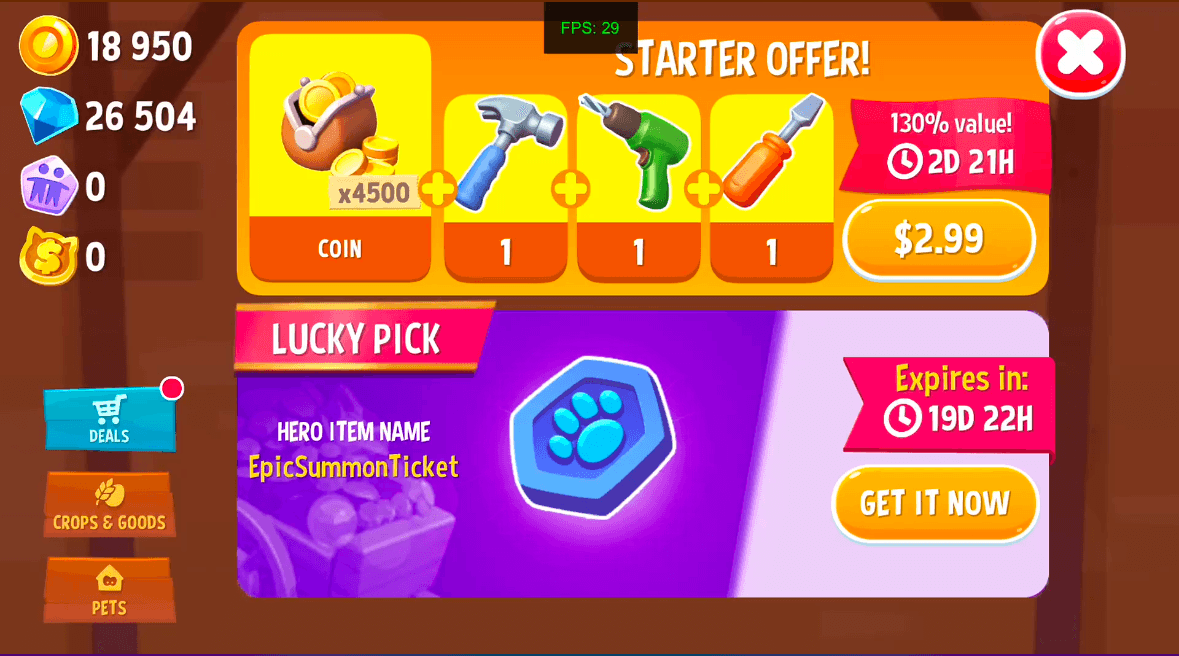
I knew that for this feature to succeed, it couldn't just be buried in a menu. I placed the entry point directly in the Merchant Shop and prioritized it over other sale packs. By prioritizing this view, I ensure that high-intent players (those already in the shop) are immediately presented with this new, visually distinct value proposition.
The "Foot-in-the-Door" Technique
To reduce the barrier to entry, I structured the pricing ramp aggressively low at the start.
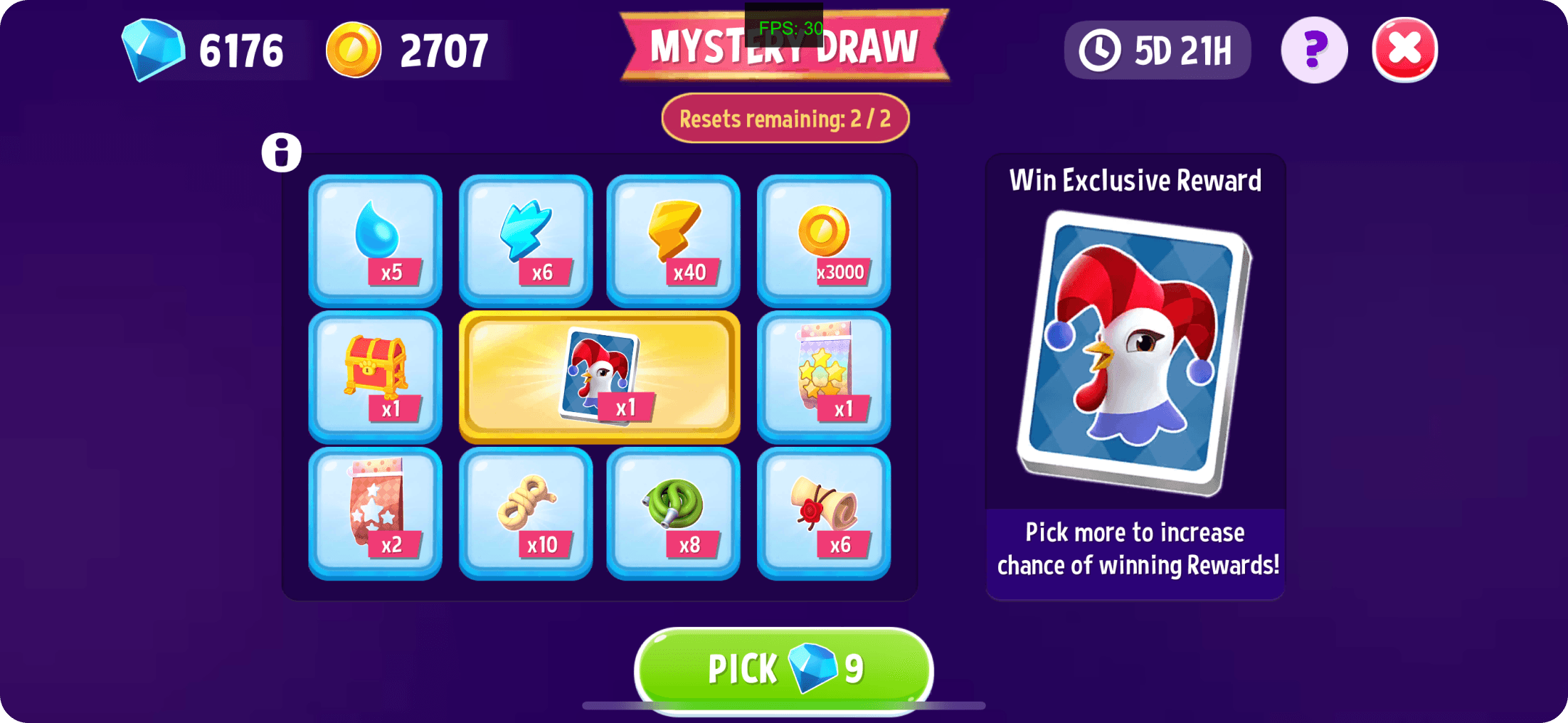
The first roll costs 5-9 Gems, followed by a tiny Gem cost (12 Gems), before ramping up (20, 50, etc.). By allowing the first interaction to use soft currency, I removed the "pain of paying." Once the player has cleared one item and seen the board shrink, the Endowed Progress Effect kicks in. They've already started the task; their brain now wants to finish it.
Visual Hierarchy & Hero Item
In the UI layout, I rejected a uniform grid. Instead, I established a strict visual hierarchy
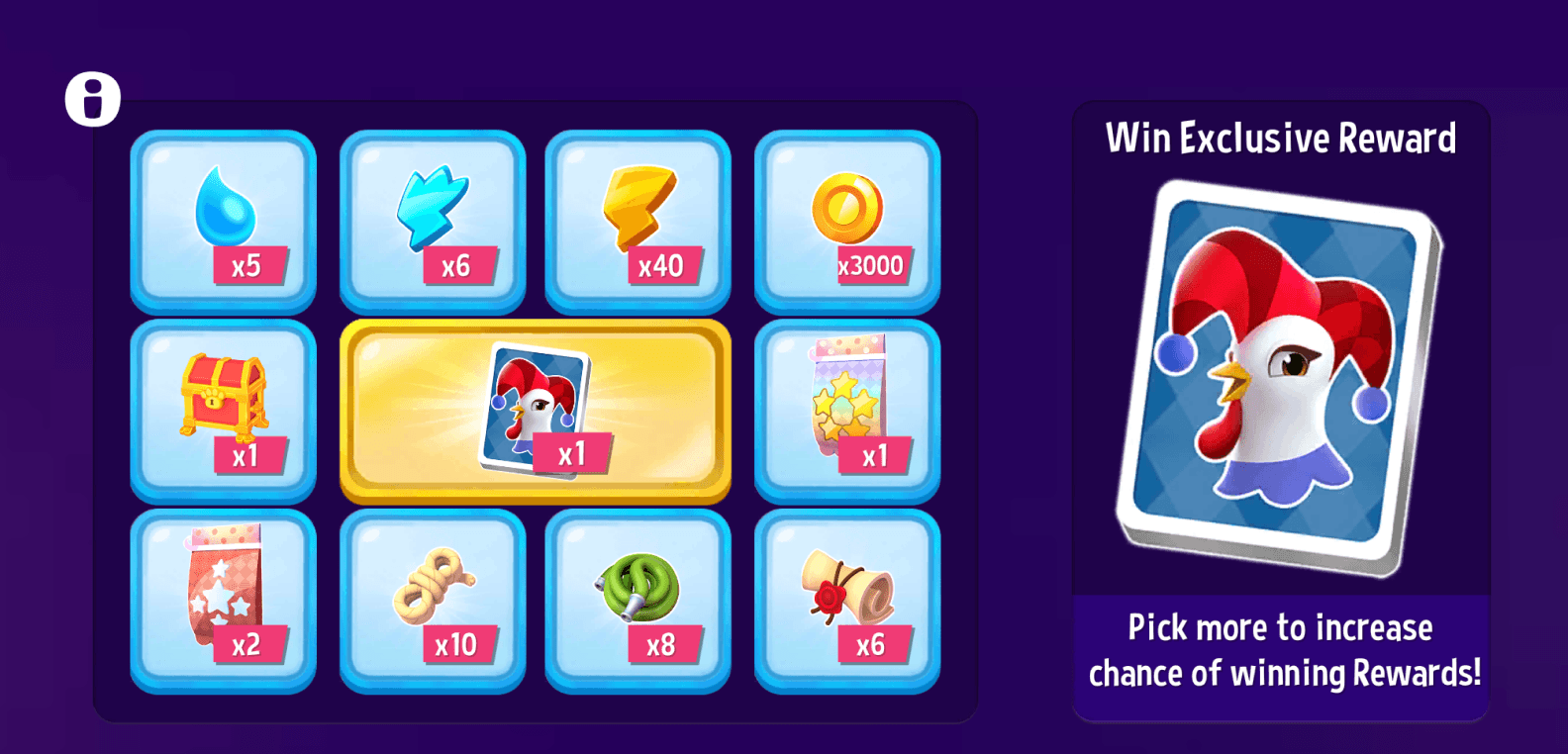
The player’s eyes are glued to the Hero item during every animation. Even if they win a small coin pack, the visual dominance of the Hero item reminds them of why they should roll again
Anticipation as a Feature
I didn't want the transaction to feel like a simple "Purchase > Receive" database exchange. I introduced a "selection animation" that plays on the grid before an item is awarded
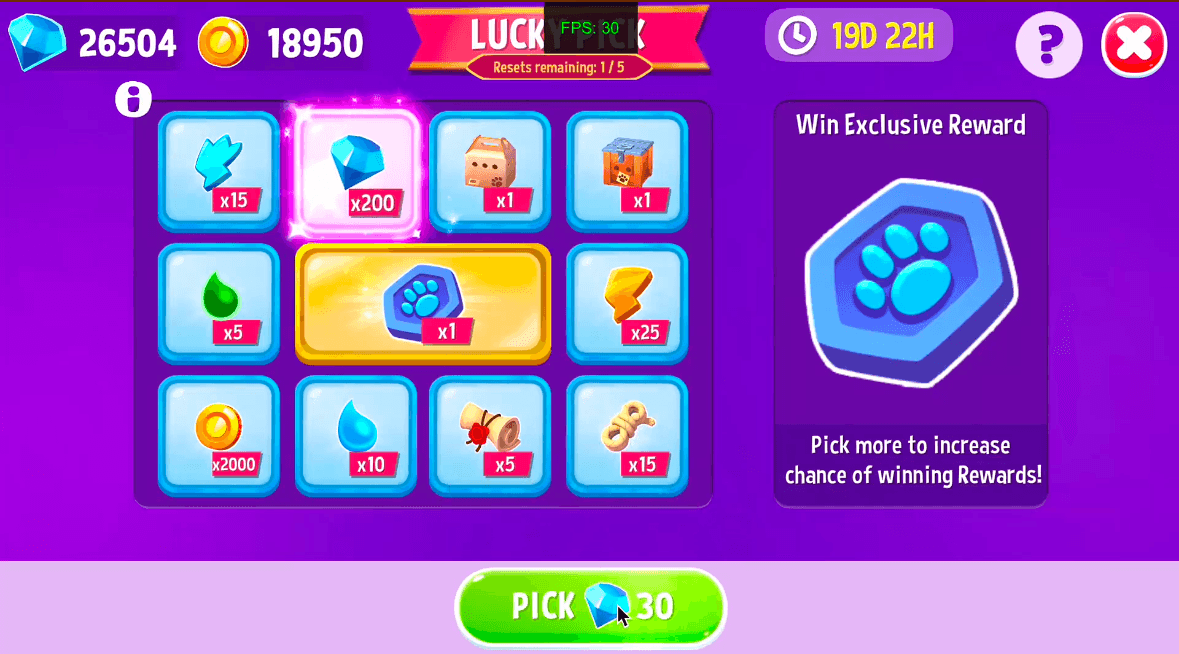
This creates "Game Juice." The animation builds tension. Even though the math is determined instantly, the visual delay triggers a dopamine spike, mimicking the thrill of a physical slot machine or prize wheel.
This particular step of adding VFX and Animation required a lot of drafts and iterations to make sure the randomness of the pick comes out smooth.
Transparency & Trust Mechanics
A critical part of my UX strategy was mitigating the "Black Box" feeling of RNG (Random Number Generation).
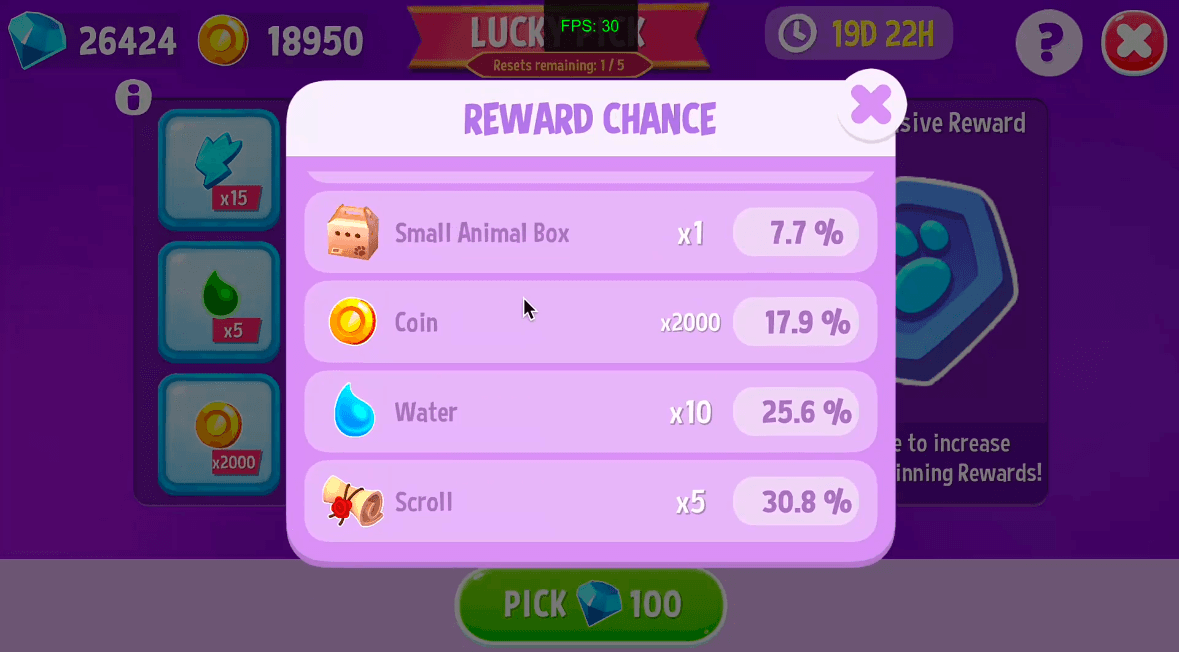
I mandated that we display the "Drop Chances," which must act dynamically. As items are removed, the probability of hitting the remaining items increases. I included an "i" button that opens a clear, readable table of these shifting odds.
Reset Logic:
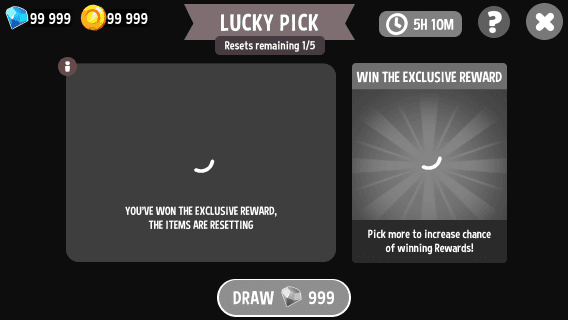
For our "whale" players, I added a "Reset" function that triggers only after the Hero item is won (for Limited types) or the box is empty. This provides Closure for the session while allowing high-spenders to re-engage.

Metrics
Metrics I tracked
I established clear KPIs to validate these design decisions. Beyond just revenue, I am tracking:
Attempts per Player
To see if the "Foot-in-the-Door" pricing (9 gems) successfully converts free players to gem spenders.
Engagement
Monitoring if the animation duration or the grid layout causes any drop-off.
Cannibalization
A key risk I flagged is that players might shift spend from other areas. I'm closely monitoring "Overall Spend per Day" to ensure this is additive revenue, not just displaced revenue
We didn't reach our EOs at first,
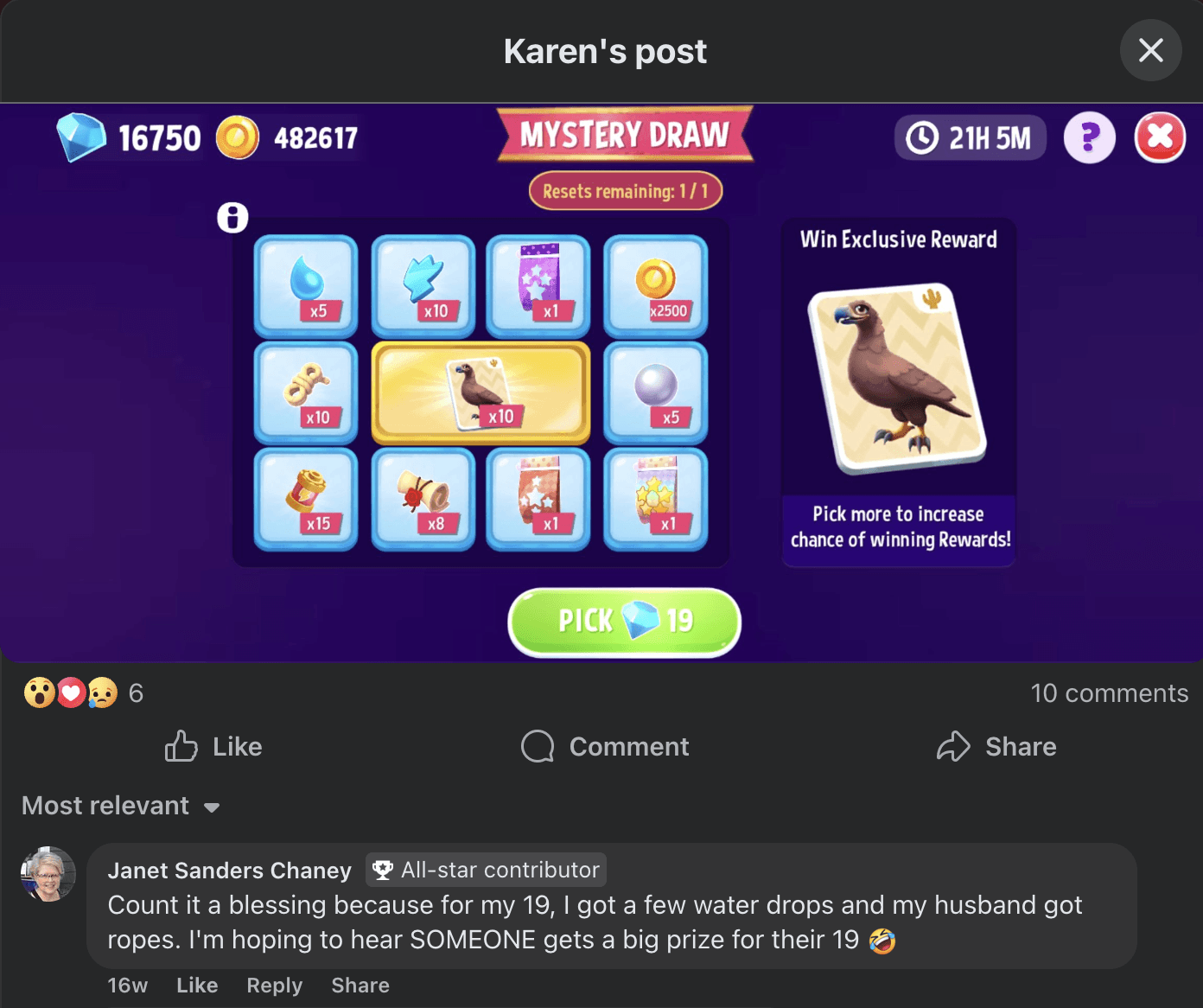
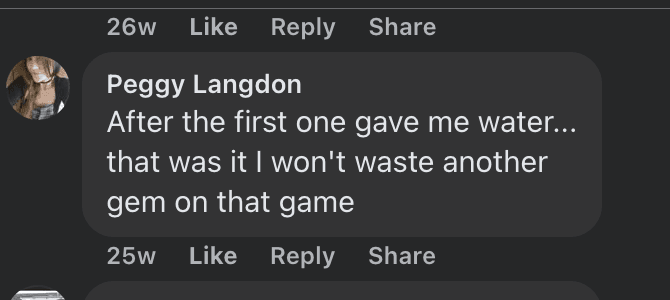
The issue ? even though we had made the gem spend very low, the value of gems against the items rewarded weren't justified according to our players. This quickly spread across social media.
+8%
Expected Overall Spend Per Day
+4%
Actual Overall Spend
+8%
Expected Userpay ARPDAU
+5%
Acutal ARPDAU
The Fix
We promptly fixed the Reward Value vs Gem cost tuning,
but to ensure that we meet our EOs. I also suggested integrating the Lucky Pick mechanism into an existing major event ( Farm Memories ) to utilize the event's urgency and high player commitment.
We did that by adding a crucial item ( the joker card ) as a hero item in Lucky Pick, which is required to finish the event Farm Memories.
I also strategised that we make the lucky pick live at the end of the event so that it creates an urgency for the players to play the Lucky Pick to get the required item to complete the event.
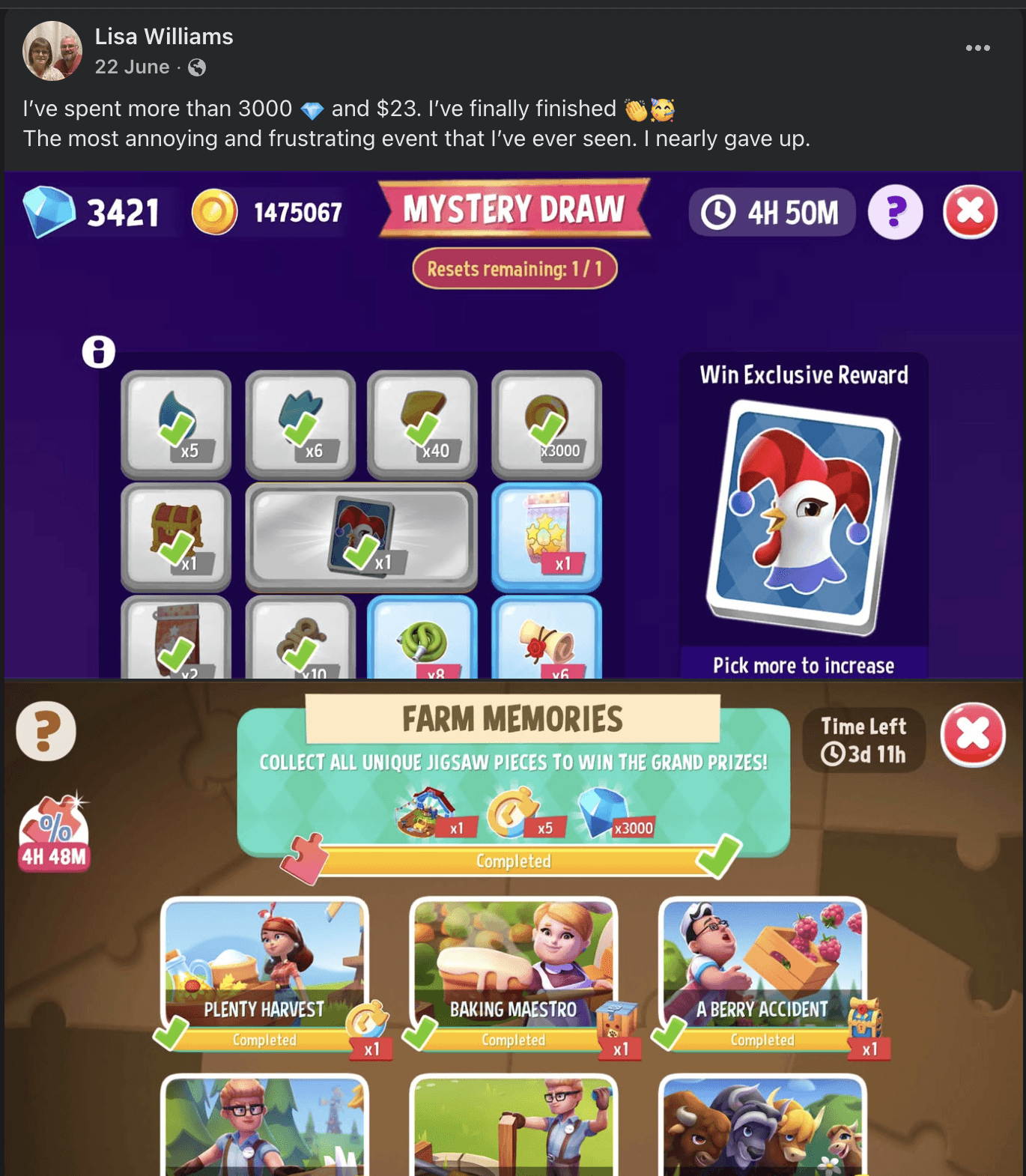
The Results ? Even though the players found the integration mildly frustrating, they took it as a challenge and utilised the Lucky Pick feature to get the required joker card to complete the Farm Memories Event.
The reason they invested in the feature was because the Farm Memories had higher value rewards at 100% completion. Hence it was worth spending on Lucky Pick.
+11%
Expected Overall Spend Per Day
+10%
Expected Userpay ARPDAU
Learnings
Key Learnings from the Feature
Friction is the True Competitor
I learned that the biggest threat to activation wasn't another app, but unnecessary friction within our own flow. Eliminating cognitive load immediately translated to measurable completion gains.
Data is also a Design Tool
By turning the user's aesthetic choice (selecting a mood cover) into functional metadata, I enabled the app to instantly offer personalised song suggestions. This proved that integrating personalisation data directly into the creation flow drives better engagement.
Momentum Over Instruction
The successful increase confirmed that users prefer being guided by immediate, contextual options rather than being instructed by passive text to start a new, tedious task. The design must always respect the user's current goal and provide the easiest path to the next action.